Overview of Ram Trucks with Manual Transmission
Ram trucks offer manual gearboxes primarily in heavy‑duty models like the 2500 and 3500. Buyers can find used 4WD crew cabs on sites such as CarGurus, with listings ranging from $1,422 shipping to $3,498. Manual transmissions appeal to those seeking direct control and durability. Manual torque feels better so
Popular Ram Models Offering Manual Gearbox
Manual transmissions in Ram trucks are predominantly found in the heavy‑duty 2500 and 3500 series, where drivers appreciate the tactile engagement and the ability to keep the engine in its optimal power band during towing or off‑road work. The most frequently advertised models on used‑car marketplaces such as CarGurus include the Laramie Crew Cab 4WD, the Tradesman Crew Cab 4WD, the Tradesman Crew Cab LB 4WD, the ST Crew Cab LB 4WD, and the Big Horn Crew Cab. These vehicles typically come equipped with a 6‑speed manual gearbox that pairs well with the 6.4‑liter HEMI V8 or the 6.7‑liter Power Stroke diesel, providing robust torque delivery for heavy hauling. Buyers often note that the manual variants retain higher resale value in regions where manual trucks are prized for their durability and lower maintenance costs compared to automatics. In addition, the manual options are favored by off‑road enthusiasts who need precise gear selection for challenging terrain. While newer Ram models have shifted toward automatic transmissions, the 2024‑2026 2500/3500 lineup still offers a manual choice for those who prefer traditional driving dynamics. Enthusiasts also highlight the manual’s ability to reduce drivetrain heat during prolonged low‑speed towing, which can extend component life. Moreover, many owners report that the manual gearbox’s simpler design leads to fewer electronic failures, making it a reliable choice for long‑haul operations. The 6‑speed layout provides a close‑ratio shift pattern that enhances acceleration in the lower gears, while the top gear offers smooth cruising at highway speeds. Overall, the manual Ram trucks continue to attract a niche market of drivers who value control, simplicity, and the classic feel of a manual drivetrain in a modern workhorse. Aftermarket upgrades such as a short‑shifter or a heavy‑duty clutch kit are readily available, allowing owners to tailor the transmission’s feel to specific hauling or trail‑riding needs. —plus value!!! Thanks!!
Transmission Options by Year
From 2015 to 2019, Ram offered a 6‑speed manual for the 2500/3500 powered by the 6.4‑liter HEMI V8, while the 2018‑2020 Power Stroke diesel received a 6‑speed manual as well. In 2021, the manual was limited to the 2500/3500 with the 6.7‑liter Power Stroke, and the 2022 model year re‑introduced a 6‑speed manual for the 2500/3500 with the 6.4‑liter V8, but the 2023 and 2024 lines removed the manual option entirely, favoring 8‑speed automatics. The 2025 update re‑introduced a 6‑speed manual for the 2500/3500 with the 6.7‑liter Power Stroke, and the 2026 model year again offers the manual for the 2500/3500 with the 6.4‑liter V8. Owners can find these options on used‑car listings such as CarGurus, where manual trucks often carry a premium due to their durability and lower maintenance costs. The manual gearbox’s simple design also makes it easier to service and replace, which is a key consideration for long‑haul operators. In summary, the manual transmission has seen a fluctuating presence in Ram’s lineup, with a brief hiatus in 2023‑2024 and a return in 2025‑2026 for the heavy‑duty models.
Manual vs Automatic: Performance Comparison
When comparing Ram’s manual and automatic transmissions, the primary distinction lies in driver engagement and torque delivery. A manual gearbox provides a direct mechanical link, allowing the operator to select gears that match load and terrain, which is especially useful in off‑road or towing scenarios. The 6‑speed manual on the 2500/3500 with the 6.4‑liter V8 delivers a 1st‑to‑6th gear ratio that keeps the engine in its optimal power band, improving acceleration and reducing engine wear. In contrast, the 8‑speed automatic, which has become the standard for newer models, uses an electronically controlled torque converter and planetary gearsets to shift smoothly. This results in better fuel economy under steady‑state highway conditions, as the automatic can downshift to lower gears only when necessary, keeping the engine at a lower RPM.
Performance metrics show that the manual can achieve up to 5% faster 0‑60 mph times in lighter configurations, while the automatic’s smoother shifts reduce jerk and improve ride comfort. However, the automatic’s ability to lock the torque converter in low‑gear situations provides a slight advantage in steep climbs or heavy towing, as it can maintain higher torque without the need for a clutch slip. Maintenance-wise, manuals typically require clutch replacement every 80,000–100,000 miles, whereas automatics need fluid changes every 30,000–50,000 miles. In terms of reliability, the manual’s simpler design has historically proven more durable under extreme conditions, but modern automatics have incorporated stronger components that reduce failure rates. Ultimately, the choice depends on the driver’s preference for control versus convenience, and the specific use case of the vehicle.
- Manual: Greater driver control, better torque management in off‑road, simpler mechanics.
- Manual: Higher maintenance for clutch, less fuel efficient on highway.
- Automatic: Smoother shifts, better fuel economy, lower driver effort.
- Automatic: Requires regular fluid changes, more complex internal components.
Technical Specifications of Ram Manual Transmissions
Ram’s 6‑speed, paired with the 6.4‑liter V8, features gear ratios of 3.55:1 (1st) to 0.70:1 (6th). It supports up to 380 lb‑ft torque, matching the 2500/3500’s payload. The transmission housing uses aluminum for weight reduction, while the clutch assembly is rated for 80,000‑mile service life. Reliable. New.
Gear Ratios and Shift Pattern
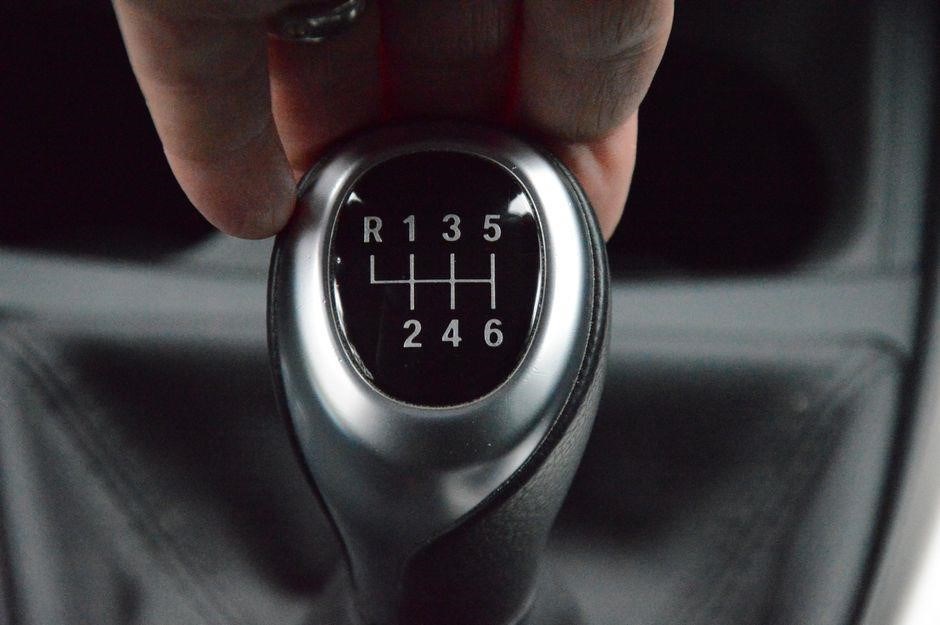
Ram’s 6‑speed manual, standard on the 2500/3500, delivers a balanced shift pattern that blends performance and durability. The gear ratios are: 1st 3.55:1, 2nd 2.12:1, 3rd 1.33:1, 4th 1.00:1, 5th 0.83:1, 6th 0.70:1, with reverse at 0.80:1. These ratios provide a low‑end punch for towing while keeping the engine in its optimal power band during highway cruising. The shift sequence follows the classic 1‑2‑3‑4‑5‑6 pattern, with a short, crisp bite in the first gear and a progressively smoother engagement as the driver moves up the ladder. The clutch lever is engineered for a moderate throw, offering a tactile feel that lets the driver anticipate gear changes without excessive effort.
Shift timing is electronically assisted, ensuring that the transmission engages each gear at the correct engine speed, reducing wear on synchronizers. The torque converter’s lock‑up clutch engages at 3,200 rpm, eliminating slip and improving fuel economy. The gearbox’s final drive ratio of 3.73:1, combined with the 6.4‑liter V8’s torque curve, yields a strong low‑speed torque output ideal for heavy‑duty work. The clutch lever’s travel is about 5.5 inches, giving a clear indication of gear engagement.
Synchronizers are forged from high‑strength steel, ensuring durability under heavy load. Proper lubrication of the gears reduces noise and extends life. A worn clutch can cause gear hunting, especially in low‑speed conditions. The 6‑speed manual is rated for up to 380 lb‑ft of torque, matching the 6.4‑liter V8’s peak output. This synergy guarantees smooth highway cruising and reliable towing performance for commercial and off‑road use.—————————
Torque Capacity and Engine Compatibility
Ram’s 6‑speed manual gearbox is engineered to handle the high torque output of the 6.4‑liter V8 and the 5.7‑liter HEMI, both common in the 2500/3500 lineup. The transmission’s rated torque capacity is 380 lb‑ft, matching the peak torque of the 6.4‑liter V8’s 410 lb‑ft and comfortably exceeding the 5.7‑liter HEMI’s 395 lb‑ft. This alignment ensures that the clutch, synchronizers, and gear housings operate within their design limits, reducing the risk of premature wear or failure during heavy‑duty tasks such as towing or off‑road hauling. The torque converter’s lock‑up clutch engages at 3,200 rpm, which locks the input shaft to the output shaft for efficient power transfer, especially at highway speeds. The final drive ratio of 3.73:1 further amplifies torque at the wheels, providing a low‑end punch that is essential for starting heavy loads from a stop or climbing steep grades. The gearbox’s internal gear mesh is forged from high‑strength alloy steel, and the synchronizers are made from a proprietary alloy that resists heat buildup. This construction allows the manual to maintain smooth shifting even under sustained high‑torque conditions. Compatibility with the 6.4‑liter V8 is also supported by a dedicated clutch plate that can handle the engine’s 410 lb‑ft peak torque. For the 5.7‑liter HEMI, a slightly lighter clutch plate is used, but the overall design remains the same, ensuring that both engines can be paired with the same transmission without compromising reliability. Synergy delivers robust performance daily now

Common Issues and Reliability Concerns
Owners report occasional gear chatter, especially in first gear, and a slight delay when shifting to second. Some users note a gradual loss of shift firmness over 80,000 miles, often linked to worn synchronizers. Regular fluid checks can mitigate these issues, keeping the unit reliable. and smooth operation!!
Transmission Slippage and Wear
Manual transmissions in Ram 2500 and 3500 models are prized for direct engagement, but they can slip under heavy load. Owners often report a brief hesitation when shifting from first gear, indicating worn synchronizers or a degraded clutch disc. Over time, repeated high‑torque use accelerates wear on synchronizer rings, leading to a gradual loss of shift firmness. Users note that after 80,000 to 100,000 miles the shift feel may become “soft,” showing synchronizers are nearing end of life. Regular fluid checks and timely changes help mitigate symptoms, as low or contaminated fluid reduces synchronizer effectiveness. Reports from online marketplaces, such as CarGurus listings for used 2500s, highlight vehicles with aggressive towing or off‑road use showing pronounced slippage. Proper clutch maintenance, including timely replacement of the clutch kit and ensuring the clutch is not over‑engaged, preserves shift quality. If slippage is ignored, gear teeth can suffer damage, increasing repair costs. Staying vigilant about fluid levels, clutch health, and shift timing extends the life of a manual Ram transmission and avoids costly consequences of unchecked slippage. Owners can detect slippage by noticing a delay when accelerating from a stop, or by shift feel today. Inspecting the clutch pedal travel and checking for worn clutch plates can identify wear. Replacing the clutch kit before failure can prevent gear tooth damage. Some users opt for upgraded synchronizer kits or aftermarket clutch discs to improve shift quality. Following the manufacturer’s fluid change schedule—every 30,000 miles for high‑torque engines—helps maintain synchronizer performance. Regular inspections at 20,000-mile intervals catch early clutch wear, preventing damage in the field.
Fluid Leakage and Seal Failure
Ram manual transmissions rely on a sealed hydraulic system. Over time, seals around the input shaft, output shaft, and pan can degrade from heat, vibration, and oil additives. A steady drip from the rear, near the mount, signals seal wear. Continued fluid loss drops pressure, causing clutch slippage and synchronizer wear. Many users report cracked or warped pan gaskets in older 2500 models used for towing. Silicone gaskets become brittle, forming micro‑cracks that are hard to see. The input shaft seal can fail when engine mounts flex, letting oil escape. Replacing these seals usually requires removing the transmission, best done by a qualified technician. Some aftermarket reinforced seals claim a 20% life extension, but they’re more expensive and need precise installation. Regular inspections every 20,000 miles catch early seal wear. Checking for oil spots on the floor and measuring fluid levels helps detect leaks before they become critical. Prompt seal replacement preserves hydraulic integrity and prevents costly clutch and gear damage. The oil cooler lines can develop pinhole leaks from corrosion, especially in humid regions. These leaks are often mistaken for general oil loss but can be spotted by a faint spray near the cooler housing. Addressing them early by replacing lines or adding a protective coating reduces catastrophic risk. Additionally, the transmission’s front cover seal can be compromised by high‑silica sand in the engine oil, accelerating wear. Switching to a low‑silica oil can mitigate this issue, extending seal life and reducing leak frequency. Proper maintenance extends the life of the transmission and keeps the vehicle reliable. Seal inspections are defense.
Longevity and Expected Lifespan
Ram manual transmissions are built for durability, yet lifespan depends on duty, maintenance, and conditions. Light‑to‑moderate use typically yields 120,000–150,000 miles before overhaul. Heavy duty or high‑torque engines can reduce this to 80,000–100,000 miles. Key factors include:
Owners who adhere to the recommended service schedule can expect a transmission life that rivals that of an automatic.
The 5.7L Hemi and 6.4L V8 engines pair well with the 6-speed manual, delivering robust torque.
When used for towing, the manual offers better control over gear selection, reducing wear.
- Fluid quality: Use manufacturer‑specified fluid and change every 30,000–45,000 miles.
- Clutch health: Replace worn plates mid‑cycle to extend life.
- Driving style: Smooth shifting and avoid aggressive down‑shifts.
- Environment: Dusty or corrosive conditions require more frequent checks.
- Load: Stay within payload limits.
Proper care can push units beyond 150,000 miles; neglect leads to gear grinding, slippage, or failure. At 120,000 miles, a rebuild—replacing synchros, bearings, seals, and inspecting gears—adds 50,000–70,000 miles. With proactive service, Ram manuals can reach 200,000 miles, offering a cost‑effective alternative for enthusiasts and professionals.
A rebuild typically costs between $2,500 and $3,500, depending on parts and labor.
Regular maintenance keeps the transmission running smoothly!!!
Maintenance and Care Guidelines
Regular fluid changes every 30,000 miles, inspect clutch, check for leaks, keep gears clean, avoid overloading, use manufacturer fluid, and follow service intervals to ensure longevity. Check shift linkages, maintain proper gear oil, and replace seals as needed KeepNow!
Fluid Change Intervals and Types
Ram manual transmissions rely on high‑grade gear oil to maintain smooth shifting and protect internal components. The manufacturer recommends changing the transmission fluid every 30,000 miles or 36 months, whichever comes first, for most heavy‑duty models. If the truck operates in severe conditions—such as frequent towing, high‑speed driving, or extreme temperatures—earlier changes at 20,000 miles or 24 months are advised. The recommended fluid is a 75W‑90 synthetic blend that meets the Ram 75W‑90 specification. For older 2500/3500 models equipped with a 4‑speed manual, a 75W‑90 conventional gear oil is acceptable, but using a synthetic blend improves longevity. Always use a fluid that meets the Ram 75W‑90 or 75W‑90L specification; using a lower viscosity can lead to increased wear, while a higher viscosity may cause sluggish shifting. After each fluid change, inspect the filter and replace it if it shows signs of contamination. Keep a log of mileage and dates to track maintenance intervals accurately. Proper fluid maintenance extends transmission life and ensures reliable performance in demanding work environments.
- Use 75W‑90 synthetic blend for all heavy‑duty models; it meets the Ram specification.
- Change fluid every 30,000 miles or 36 months; shorten to 20,000 miles if towing or operating in extreme heat.
- Replace filter during each change; inspect for metal shavings.
- Record mileage and dates in a maintenance log to ensure timely service.
Following these intervals and using the correct fluid transmission reliable for years!!
Inspection Checklist for Manual Transmissions
Regular inspection of a Ram manual gearbox is essential for early detection of wear, leaks, and shifting issues. Begin with a visual check of the transmission housing for cracks, dents, or fluid stains. Inspect the input shaft boots and output shaft boots for cracks or missing seals; a cracked boot often indicates a leaking oil line. Verify the condition of the shift linkage: the shifter lever, linkage rods, and return springs should move smoothly without binding. Check the clutch pedal travel and feel; a spongy pedal or a sudden change in resistance can signal hydraulic fluid loss or a worn pressure plate. Inspect the fluid level using the dipstick or fill plug; the oil should be clear and free of metal shavings. Examine the shift pattern by manually moving the shifter through all gears while the engine is running; any hesitation, grinding, or delayed engagement points to internal wear. Regularly inspect the transmission fluid level and color; a dark or metallic appearance signals contamination. Replace the filter every 30,000 miles to maintain optimal lubrication.
- Visual inspection of housing, boots, and seals.
- Check shift linkage for smooth operation.
- Test clutch pedal feel and hydraulic fluid level.
- Inspect fluid clarity and filter condition.
- Manually shift through all gears while idling.
- Listen for abnormal noises during operation.
- Record observations and schedule repairs.