
Dr. Gundry Diet Plan: A Comprehensive Overview (Updated 03/24/2026)
Dr. Gundry’s approach, detailed in books like “Diet Evolution” and “Plant Paradox,” centers on minimizing lectins to optimize health and achieve sustainable weight management.
Dr. Steven Gundry’s dietary philosophy, popularized through works like “Dr. Gundry’s Diet Evolution” and “The Plant Paradox,” proposes a revolutionary perspective on food and its impact on human health. He challenges conventional wisdom, suggesting that many commonly consumed “healthy” foods – particularly those containing lectins – can contribute to inflammation and various health issues.
Gundry’s approach isn’t simply about weight loss; it’s about understanding the genetic predispositions that influence how our bodies react to different foods. He advocates for a personalized dietary strategy focused on “turning off” genes linked to inflammation and disease. This involves identifying and minimizing lectin-rich foods while prioritizing nutrient-dense alternatives. His plans emphasize a focus on restoring a healthy gut microbiome, believing it’s central to overall well-being.
The Core Principle: Lectin Avoidance
At the heart of Dr. Gundry’s diet lies the principle of lectin avoidance. Lectins are proteins found in many plants, and Gundry argues they act as “sticky” molecules that interfere with the body’s digestive processes and can trigger immune responses. He posits that these responses contribute to inflammation, leaky gut, and a range of chronic health problems.
While acknowledging plants offer nutritional benefits, Gundry believes the lectin content often outweighs these advantages. His diet focuses on minimizing exposure to these proteins by carefully selecting low-lectin vegetables and fruits, and eliminating high-lectin foods like grains, legumes, and nightshades. This isn’t about demonizing plants, but about strategically choosing and preparing them to maximize health benefits.
Understanding Lectins and Their Impact
Lectins are carbohydrate-binding proteins present in many plants, and Dr. Gundry identifies them as potential disruptors of human health. He explains that lectins evolved as a defense mechanism for plants, protecting them from being eaten. However, when consumed by humans, they can interfere with gut lining integrity, potentially leading to “leaky gut” syndrome and triggering inflammatory responses.
Gundry’s research suggests lectins can bind to the lining of the digestive tract, hindering nutrient absorption and activating the immune system. This chronic immune activation, he argues, contributes to autoimmune diseases, weight gain, and various other health issues. Understanding this impact is crucial for appreciating the rationale behind the Gundry diet’s restrictive approach.

Phase 1: The Elimination Phase
This initial 30-day period focuses on removing high-lectin foods to reduce inflammation and assess individual sensitivities, paving the way for personalization.
Duration and Goals of Phase 1
Phase 1 of the Gundry diet typically spans 30 days, serving as a strict elimination period designed to drastically reduce lectin intake. The primary goal isn’t necessarily rapid weight loss, although that can occur, but rather to calm systemic inflammation and identify individual sensitivities.
By removing a broad spectrum of potentially problematic foods, the body gets a chance to “reset.” This allows individuals to observe how they feel without the constant assault of lectins, potentially alleviating symptoms like bloating, joint pain, and fatigue.
Successfully completing Phase 1 prepares the groundwork for the reintroduction phase, enabling a more precise understanding of personal lectin tolerance levels and optimal dietary choices.
Foods to Eliminate During Phase 1
Phase 1 demands a rigorous elimination of numerous food groups known for high lectin content. This includes all nightshades – tomatoes, peppers, eggplant, and potatoes – as well as all grains and legumes like wheat, rice, beans, and lentils. Dairy products are also strictly prohibited due to problematic proteins.
Furthermore, most fruits are off-limits, with limited exceptions for low-lectin options. Processed foods, sugars, and artificial sweeteners are completely avoided. The focus shifts towards consuming specific, low-lectin vegetables, healthy fats, and carefully selected protein sources.
This comprehensive removal aims to minimize lectin exposure and assess the body’s response in their absence.
Sample Meal Plan for Phase 1
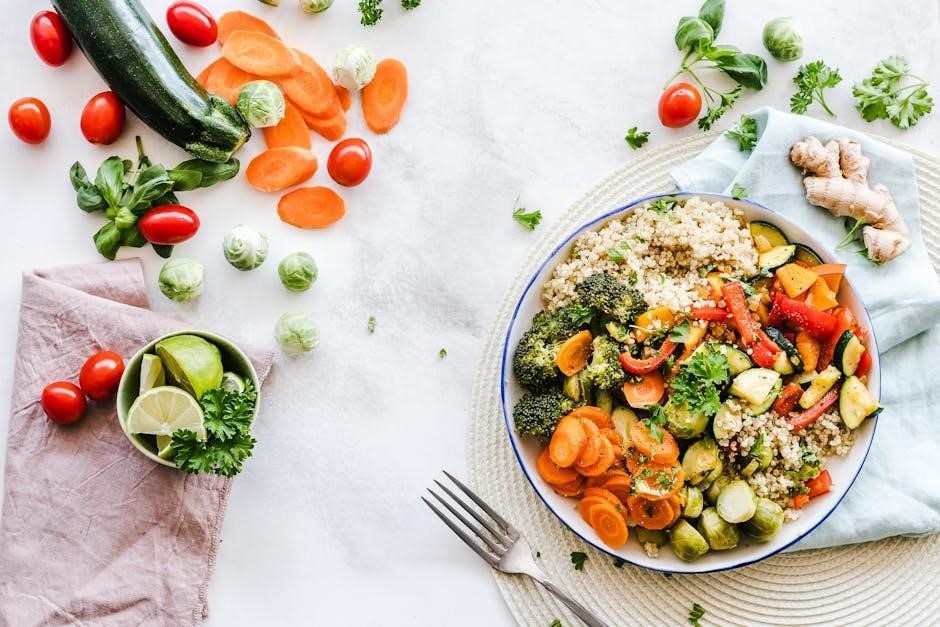
A typical Phase 1 day might begin with a breakfast of avocado and spinach with olive oil. Lunch could feature wild-caught salmon with a side of steamed kale and a drizzle of macadamia nut oil. Dinner could consist of grass-fed steak accompanied by sautéed asparagus and a small portion of cauliflower rice.
Snacks should focus on low-lectin options like olives, macadamia nuts, or a small serving of berries (limited quantity). Hydration is crucial, emphasizing water and herbal teas.
This plan prioritizes nutrient-dense, low-lectin foods to support gut healing and reduce inflammation during the initial elimination phase.
Phase 2: Reintroduction and Personalization
Carefully reintroduce foods systematically, one at a time, while meticulously tracking any symptoms to identify individual tolerances and personalize the diet plan.
The Importance of Individual Tolerance
Central to Dr. Gundry’s diet is recognizing that everyone reacts differently to foods, particularly those containing lectins. What triggers a negative response in one person may be perfectly tolerable for another. This highlights the necessity of a personalized approach, moving beyond generalized dietary rules.
The reintroduction phase isn’t about strict avoidance forever; it’s about discovering your unique sensitivities. Some individuals might find they can enjoy small amounts of nightshades without issue, while others experience inflammation.
Careful self-observation and symptom tracking are crucial. Paying attention to how your body feels after reintroducing a food – noting energy levels, digestive comfort, and any inflammatory responses – provides invaluable data for tailoring the diet to your specific needs.
Systematic Reintroduction of Foods
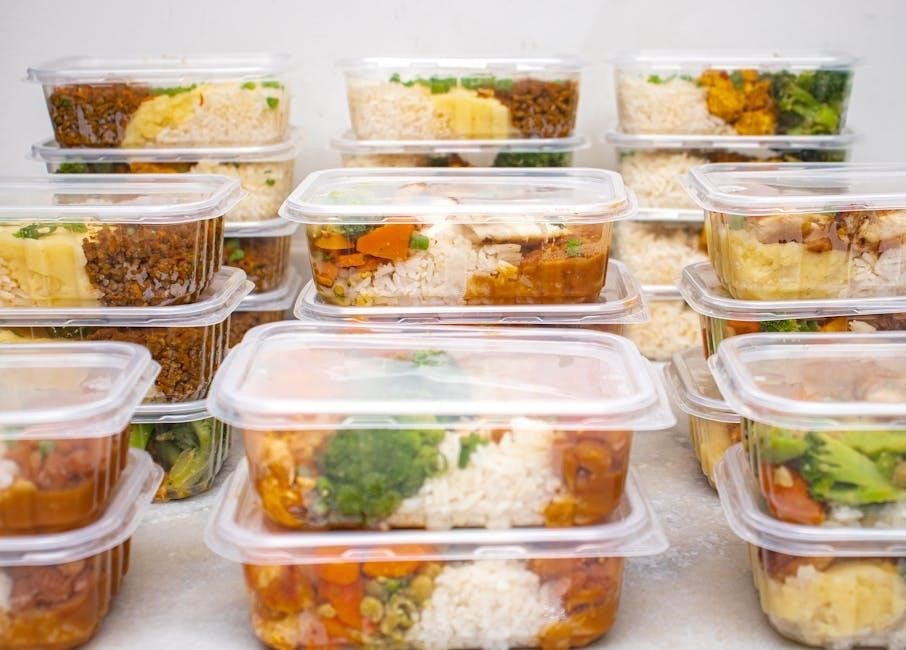
Following the elimination phase, Dr. Gundry advocates for a deliberate and methodical reintroduction of foods, one at a time. This isn’t a free-for-all; it’s a carefully controlled experiment designed to pinpoint individual sensitivities. Begin with a single food group – perhaps a specific fruit or vegetable – and consume a moderate portion.
Crucially, wait 3-5 days before introducing another new food. This allows sufficient time to observe any potential reactions. Keep a detailed food diary, meticulously recording everything you eat and any accompanying symptoms, such as bloating, fatigue, or skin issues.
This systematic approach helps differentiate between genuine intolerances and coincidental reactions, ultimately empowering you to build a personalized diet plan that supports optimal health and well-being.
Tracking Symptoms During Reintroduction
Diligent symptom tracking is paramount during the reintroduction phase of the Gundry diet. A detailed journal isn’t merely recommended; it’s essential for identifying individual lectin sensitivities. Record everything consumed, noting portion sizes and preparation methods. Beyond digestive issues like bloating or gas, monitor for more subtle indicators.
Pay attention to energy levels, skin clarity, joint pain, headaches, and even mood fluctuations. Be specific – instead of “felt tired,” write “experienced afternoon fatigue lasting two hours.” Consistency is key; track symptoms daily, even if you feel fine.
This data provides invaluable insights, allowing you to correlate specific foods with adverse reactions and refine your personalized diet accordingly.
Key Food Groups in the Gundry Diet
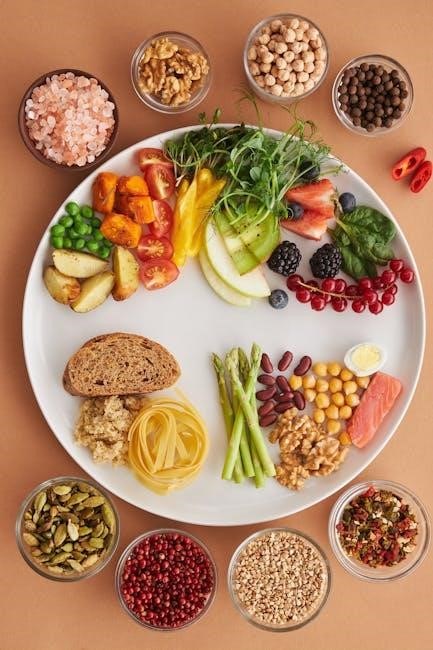
The diet prioritizes low-lectin vegetables, carefully selected fruits, grass-fed proteins, and healthy fats, forming the foundation for optimal health and well-being.
Allowed Vegetables: Low-Lectin Options
Dr. Gundry’s diet emphasizes vegetables with minimal lectin content, crucial for reducing inflammation and supporting gut health. Leafy greens like spinach, kale, and romaine lettuce are staples, providing essential nutrients without significant lectin load. Cruciferous vegetables, such as broccoli and cauliflower, are permitted in moderation, ideally when thoroughly cooked.
Other approved options include celery, cucumbers, zucchini (seeds removed), and asparagus. Mushrooms are generally considered safe, while sea vegetables like seaweed offer unique benefits. It’s important to note that preparation methods can influence lectin levels; peeling and cooking can help reduce their impact. Prioritizing these low-lectin vegetables forms a cornerstone of the Gundry diet, fostering a healthier gut microbiome and overall well-being.
Permitted Fruits: Choosing Wisely
Fruit consumption on the Gundry diet requires careful selection, as many fruits are high in lectins. Berries – blueberries, raspberries, strawberries, and blackberries – are generally considered the safest options, offering antioxidants with a lower lectin profile. Avocado, technically a fruit, is highly encouraged due to its healthy fats and minimal lectin content.
Other permitted fruits include limited portions of olives and certain varieties of melon. Fruits like apples, oranges, and bananas are typically avoided or consumed very sparingly due to their higher lectin levels. Prioritizing berries and avocado, while practicing moderation with other fruits, helps minimize lectin intake and supports the diet’s goals.
Protein Sources: Prioritizing Grass-Fed and Wild-Caught
The Gundry diet emphasizes high-quality protein sources, prioritizing those lowest in lectins and inflammatory compounds. Grass-fed beef and lamb are preferred over conventionally raised options, as grass-feeding reduces lectin concentration and increases beneficial fatty acids. Wild-caught fish, such as salmon, sardines, and mackerel, are excellent choices, providing omega-3 fatty acids and minimal lectin exposure.
Pasture-raised poultry, like chicken and turkey, is also permitted. Conventional poultry and farmed fish are generally discouraged. Avoiding factory-farmed meats is crucial, as these often contain higher levels of lectins and inflammatory substances. Focusing on these premium protein sources supports gut health and overall well-being.
Fats and Oils: Healthy Choices
Dr. Gundry’s diet advocates for healthy fats, recognizing their crucial role in reducing inflammation and supporting cellular function; Olive oil, particularly extra virgin, is a cornerstone, providing monounsaturated fats and antioxidants. Avocado oil is another excellent choice, boasting a high smoke point for cooking and a mild flavor.
Coconut oil and MCT oil are permitted, offering medium-chain triglycerides for quick energy. Avoid canola oil, soybean oil, corn oil, and sunflower oil, as these are high in lectins and omega-6 fatty acids, potentially promoting inflammation. Prioritizing these healthy fat sources is vital for optimal health outcomes.

Foods to Avoid (Beyond Phase 1)
Post-elimination, consistently avoid nightshades, grains, legumes, and most dairy due to their high lectin content and potential inflammatory responses.
Nightshades: Tomatoes, Peppers, Eggplant, Potatoes
Dr. Gundry identifies nightshades – encompassing tomatoes, peppers (including paprika and chili peppers), eggplant, and potatoes – as particularly problematic due to their high lectin concentration. These lectins, he argues, can disrupt gut health and trigger autoimmune responses in susceptible individuals. While flavorful and commonly consumed, nightshades contain alkaloids designed by the plant to protect itself, and these can negatively impact human physiology.
Avoiding these vegetables is a cornerstone of the Gundry diet, especially beyond the initial elimination phase. The rationale isn’t necessarily an allergy, but rather a sensitivity to the lectins they contain. Individuals may experience varying degrees of discomfort, ranging from joint pain to digestive issues, upon consumption. Strict avoidance is recommended for optimal results, though reintroduction attempts can be made cautiously during Phase 2.
Grains and Legumes: The Lectin Connection
Grains and legumes are heavily restricted on the Gundry diet due to their exceptionally high lectin content. These plant families utilize lectins as a defense mechanism, and Dr. Gundry posits that human digestive systems haven’t fully adapted to neutralize them effectively. Common culprits include wheat, rice, corn, beans, lentils, and peanuts.
Lectins in grains and legumes can bind to the gut lining, potentially causing inflammation and disrupting nutrient absorption. This disruption, according to Gundry’s research, can contribute to leaky gut syndrome and systemic inflammation. Complete avoidance is generally advised, particularly during the initial elimination phase, to allow the gut to heal. Reintroduction is possible, but requires careful monitoring for adverse reactions.
Dairy: Identifying Problematic Proteins
Dairy products are generally discouraged on the Gundry diet, not solely due to lectins, but because of A1 casein proteins found in most conventional cow’s milk. Dr. Gundry believes A1 casein can trigger inflammation and digestive issues in susceptible individuals. While some tolerate ghee (clarified butter) due to the removal of most problematic proteins, most other dairy – milk, cheese, yogurt – are typically avoided during the initial elimination phase.
Individual tolerance varies, and reintroduction may be attempted cautiously. However, many experience digestive discomfort or inflammatory responses upon dairy consumption. Choosing A2 casein dairy, if reintroducing, might be a less reactive option for some, though complete avoidance remains a common practice.

Supplements Recommended by Dr. Gundry
Dr. Gundry frequently suggests probiotics, digestive enzymes, and potentially other supplements to support gut health and nutrient absorption while following his dietary plan.
Probiotics for Gut Health
Dr. Gundry emphasizes the critical role of a healthy gut microbiome in overall well-being, particularly when navigating the restrictions of his diet plan. He advocates for supplementing with probiotics to replenish beneficial bacteria potentially diminished by lectin avoidance.
Specifically, Gundry often recommends strains that can thrive in the gut environment and resist the effects of lectins. These probiotics aim to improve digestion, enhance nutrient absorption, and bolster the immune system. Choosing the right probiotic is key, as not all strains are equally effective.
He suggests looking for spore-based probiotics, believing they are more resilient and better able to colonize the gut. Maintaining a balanced gut flora is seen as essential for mitigating inflammation and maximizing the benefits of the Gundry diet.

Digestive Enzymes
Dr. Gundry frequently recommends digestive enzymes to support optimal breakdown of food, especially given the dietary changes involved in his plan. He believes that many individuals lack sufficient enzymes to efficiently digest proteins, fats, and carbohydrates, leading to digestive discomfort and inflammation.
Supplementing with a broad-spectrum enzyme blend can aid in nutrient absorption and reduce the burden on the digestive system. Gundry often highlights the importance of enzymes that specifically target lectins, helping to neutralize their potentially harmful effects.
These enzymes can be particularly beneficial during the reintroduction phase, assisting the body in processing foods previously eliminated. Proper digestion is considered foundational to the success of the Gundry diet and overall health.
Other Potential Supplements
Beyond probiotics and digestive enzymes, Dr. Gundry suggests several other supplements to address specific needs and optimize health outcomes. These include polyphenols, known for their antioxidant and anti-inflammatory properties, supporting cellular function and overall well-being. Magnesium is also frequently recommended, as deficiencies are common and impact numerous bodily processes.
Additionally, he often discusses the benefits of Vitamin D, crucial for immune function and bone health, particularly for those with limited sun exposure. Creatine may be suggested for muscle support, and certain forms of omega-3 fatty acids are valued for their anti-inflammatory effects.
Individual needs vary, so personalized supplementation is key.
Potential Benefits of the Gundry Diet
Following Dr. Gundry’s protocols may lead to weight loss, improved gut health by reducing inflammation, and a restored, healthy microbiome for optimal wellness.
Weight Loss and Management
The Gundry Diet often results in initial weight loss, primarily due to the elimination of highly processed foods, sugars, and lectin-rich staples like grains and legumes. This reduction in caloric intake, coupled with the diet’s focus on healthy fats and proteins, can contribute to a calorie deficit. However, Dr. Gundry emphasizes that plateauing isn’t necessarily negative; it can indicate the diet is effectively addressing underlying genetic predispositions.
Sustained weight management, according to Gundry, relies on identifying individual food sensitivities through the reintroduction phase. By pinpointing and avoiding trigger foods, individuals can minimize inflammation and optimize metabolic function, supporting long-term weight control and overall health. The diet isn’t simply about restriction, but about personalized nourishment.
Improved Gut Health
A cornerstone of Dr. Gundry’s philosophy is the restoration of a healthy gut microbiome. Lectins, he argues, can disrupt the gut lining, leading to increased intestinal permeability – often called “leaky gut.” By minimizing lectin intake, the diet aims to reduce inflammation and allow the gut to heal.
Supplementation, particularly with probiotics and digestive enzymes, is frequently recommended to further support gut health. Probiotics introduce beneficial bacteria, while enzymes aid in digestion. A healthier gut microbiome is linked to improved nutrient absorption, enhanced immune function, and reduced systemic inflammation, contributing to overall well-being, as highlighted in “The Plant Paradox.”
Reduced Inflammation
Dr. Gundry’s diet is fundamentally an anti-inflammatory approach to eating. He posits that lectins trigger an immune response in the body, leading to chronic inflammation, a root cause of many modern diseases. By drastically reducing or eliminating lectin-rich foods, the diet aims to calm this immune response and lower overall inflammation levels.
This reduction in inflammation is believed to alleviate symptoms associated with autoimmune conditions, arthritis, and other inflammatory disorders. The focus on nutrient-dense, low-lectin foods provides the body with the building blocks it needs to repair tissues and restore optimal function, as detailed in his publications like “Diet Evolution.”

Potential Drawbacks and Considerations
The Gundry diet’s restrictions can pose social challenges and require meticulous planning, alongside potentially higher food costs for specific permitted items.
Dietary Restrictions and Social Challenges
Navigating social situations while adhering to the Gundry diet can be remarkably difficult, given its extensive list of restricted foods. Dining out, attending gatherings, or even accepting a simple snack from a colleague requires careful consideration and often, pre-planning. Explaining the diet’s principles to others can be time-consuming and sometimes met with skepticism.
The elimination of common staples like tomatoes, peppers, and legumes significantly narrows dining options. This can lead to feelings of isolation or the need to consistently bring your own food. Maintaining adherence requires strong willpower and a proactive approach to managing potential temptations and social pressures. It’s a lifestyle change demanding consistent effort.
Cost of Specific Food Choices
Implementing the Gundry diet often entails a noticeable increase in grocery expenses. Prioritizing grass-fed meats, wild-caught fish, and specific low-lectin vegetables can be significantly more expensive than conventional alternatives. The need to source high-quality, organic produce further contributes to the higher cost.
Furthermore, the diet may necessitate purchasing specialized ingredients or supplements recommended by Dr. Gundry, such as probiotics and digestive enzymes, adding to the overall financial burden. Careful budgeting and strategic shopping are essential to manage these increased costs effectively. It’s an investment in health, but a substantial one.
Need for Careful Planning
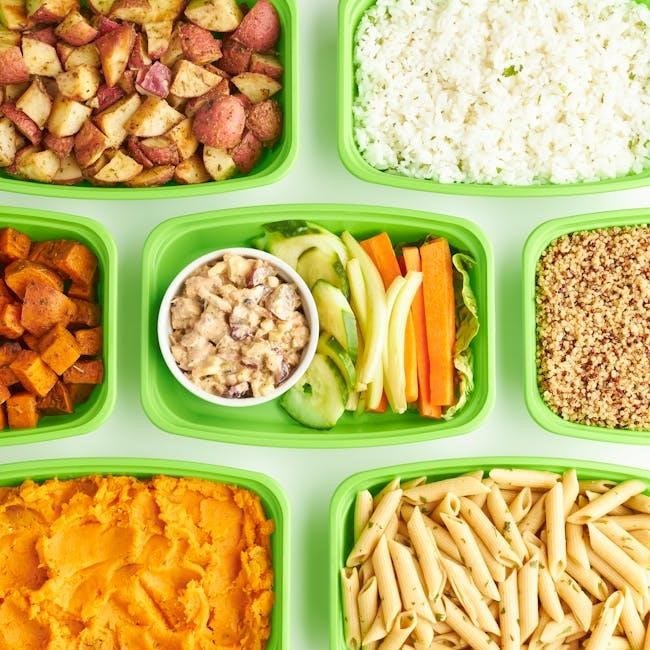
Success with the Gundry diet hinges on meticulous meal planning and preparation. The restrictive nature of the diet demands a proactive approach to ensure adequate nutrient intake and avoid accidental lectin consumption. Spontaneous dining or relying on convenience foods becomes challenging, requiring foresight and dedication.
Individuals must thoroughly understand the allowed and prohibited food lists, and consistently check ingredient labels. Batch cooking and pre-planning meals are highly recommended to maintain adherence. This diet isn’t simply about what you eat, but how you organize your eating habits.