
Manual IO: A Comprehensive Guide (as of 04/21/2026)
Today, April 21st, 2026, we delve into Manual IO, exploring its integration with platforms like Adafruit IO and DevDocs, offering streamlined documentation access.
DevDocs provides a unified, searchable interface for developer resources, while Adafruit IO offers API documentation for HTTP and MQTT communication protocols.

What is Manual IO?
Manual IO represents a deliberate approach to data input and output, contrasting with fully automated systems. It signifies a level of human intervention or direct programmatic control over the interaction between a system and its external environment. This isn’t necessarily about physical manual switches, but rather a conscious decision to manage I/O operations with specific, defined instructions.
Essentially, Manual IO involves crafting precise API calls – often utilizing HTTP or MQTT protocols – to send and receive data. Resources like Adafruit IO’s documentation showcase this through detailed API references. DevDocs, acting as a central hub, consolidates these diverse documentation sources, making it easier to understand and implement these manual interactions.
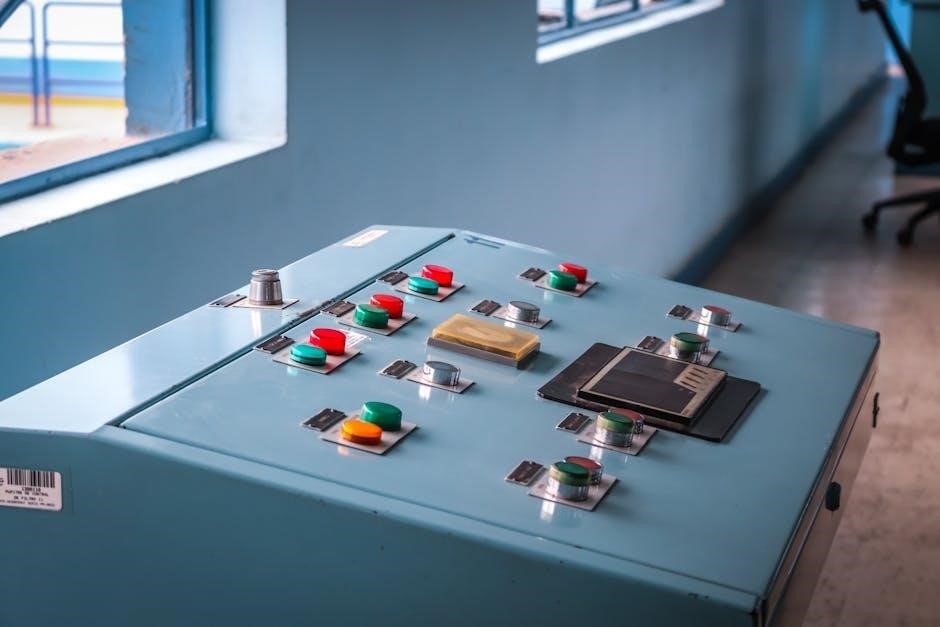
The core principle revolves around explicitly defining each I/O operation, offering granular control and the ability to tailor interactions to specific needs. This contrasts with automated systems that handle I/O based on pre-configured rules or machine learning algorithms.
The Core Functionality of Manual IO
The fundamental functionality of Manual IO centers around establishing direct communication channels using protocols like HTTP and MQTT. This involves formulating specific requests to external services, such as Adafruit IO, and interpreting the responses received. The process demands a clear understanding of API endpoints, data formats, and authentication mechanisms.
At its heart, Manual IO is about sending commands and retrieving data. For instance, an HTTP request might instruct a device to change state, while an MQTT message could transmit sensor readings. DevDocs streamlines access to the necessary documentation for these APIs, simplifying the implementation process.
Successful Manual IO relies on precise data formatting and reliable transmission. Error handling is crucial, as network issues or incorrect requests can disrupt communication. The ability to debug and verify each I/O operation is paramount for system stability.
Manual IO vs. Automated IO: Key Differences
The core distinction between Manual IO and Automated IO lies in the level of human intervention required. Manual IO necessitates explicit coding and execution of each input/output operation, demanding developers to define every communication step with services like Adafruit IO.
Conversely, Automated IO leverages pre-built libraries, frameworks, or platforms to handle I/O tasks with minimal direct coding. This often involves configuration rather than custom implementation. DevDocs aids in understanding the underlying APIs used in both approaches.
Manual IO offers granular control and customization, ideal for unique or complex scenarios. Automated IO prioritizes speed and simplicity, suitable for common tasks; While Manual IO requires deeper technical expertise, it provides greater flexibility and insight into the communication process.
Benefits of Utilizing Manual IO
Employing Manual IO grants developers unparalleled control over input/output operations, fostering a deeper understanding of system interactions. This granular control is crucial when interfacing with platforms like Adafruit IO, allowing precise tailoring of HTTP and MQTT communications.

Manual IO facilitates highly customized solutions, exceeding the limitations of pre-built automated tools. Debugging becomes more transparent, as each I/O step is explicitly defined and traceable. Resources like DevDocs become invaluable for navigating API specifics.
Furthermore, Manual IO promotes code optimization, enabling developers to fine-tune performance for specific hardware or network conditions. While demanding more initial effort, it yields robust, adaptable systems, and a superior grasp of the underlying technology.
Use Cases for Manual IO in Modern Applications
Manual IO finds application in scenarios demanding precise control and customizability, particularly within IoT ecosystems leveraging platforms like Adafruit IO; Consider bespoke sensor networks requiring tailored data transmission via MQTT – Manual IO excels here.
Another key use case lies in legacy system integration, where adapting to older protocols necessitates granular I/O management. Developers can utilize Manual IO to bridge communication gaps, aided by comprehensive documentation resources like DevDocs.
Furthermore, specialized industrial control systems often benefit from Manual IO’s ability to handle unique hardware configurations. Real-time data acquisition and processing, where timing is critical, also represent a strong application area, offering a level of precision automated systems struggle to match.

Setting Up Manual IO
Establishing a Manual IO environment requires careful consideration of hardware, software prerequisites, and configuration, ensuring seamless integration with platforms like Adafruit IO.
Hardware Requirements for Manual IO Implementation
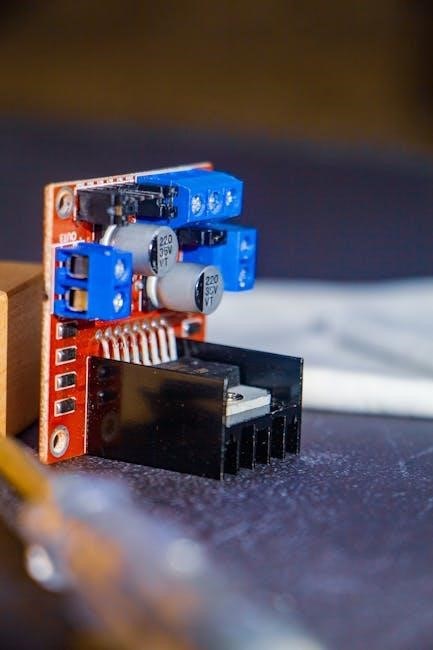
Implementing Manual IO necessitates specific hardware components to facilitate communication and data transfer effectively. A microcontroller, such as an Arduino or ESP32, forms the core, enabling interaction with external devices and networks.
Connectivity is crucial; consider a Wi-Fi module for wireless communication or an Ethernet shield for wired connections, particularly when integrating with platforms like Adafruit IO. Sensors and actuators, tailored to your application, are essential for data acquisition and control.
Furthermore, a stable power supply is paramount, ensuring consistent operation. Depending on the complexity, you might need level shifters to match voltage levels between components. Finally, prototyping boards and jumper wires simplify initial setup and experimentation, allowing for flexible configuration and testing before final deployment.
Software Prerequisites and Installation
Successful Manual IO implementation demands specific software prerequisites. An Integrated Development Environment (IDE), like Arduino IDE or VS Code with PlatformIO, is fundamental for code development and uploading to your microcontroller.
For communication with platforms like Adafruit IO, you’ll need relevant libraries – often available through the IDE’s library manager. These libraries simplify HTTP and MQTT protocol interactions. Python may be beneficial for scripting and data processing tasks.
DevDocs, while not directly installed, serves as a vital documentation resource during development. Ensure you have a compatible operating system (Windows, macOS, or Linux) and sufficient disk space. Installation typically involves downloading and running the IDE installer, followed by installing necessary libraries via the IDE’s interface.
Configuring the Manual IO Environment
Establishing a functional Manual IO environment requires meticulous configuration. Begin by defining your communication protocol – HTTP or MQTT – based on your application’s needs and the target platform, such as Adafruit IO.
For HTTP, configure API keys and endpoints provided by the platform. MQTT necessitates setting up a broker address, port, username, and password. Within your IDE, configure the appropriate board and port settings for your microcontroller.
Leverage DevDocs to consult API documentation for precise configuration parameters. Ensure network connectivity for both your microcontroller and development machine. Test connectivity using simple ping commands. Properly configure firewall settings to allow communication on the necessary ports.
Initial Testing and Verification
Rigorous initial testing is crucial for a stable Manual IO implementation. Start with simple “hello world” style tests, sending basic data packets via your chosen protocol – HTTP or MQTT – to Adafruit IO; Verify successful data transmission and reception on the platform’s dashboard.
Utilize DevDocs to cross-reference expected data formats and API responses. Implement basic error handling to catch connection issues or invalid data. Monitor network traffic to confirm data is being sent and received correctly.
Gradually increase the complexity of your tests, simulating real-world scenarios. Check for data integrity and latency. Document all test cases and results for future reference and debugging. Thorough verification ensures a reliable foundation for your Manual IO system.

Working with Manual IO Protocols
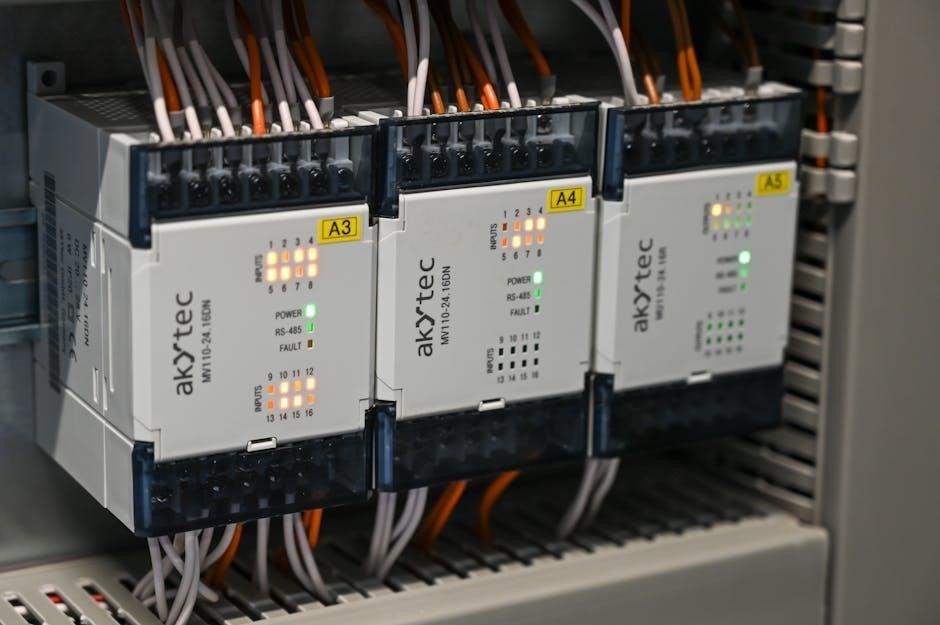
Manual IO leverages HTTP and MQTT protocols for communication, utilizing Adafruit IO’s API documentation, accessible through DevDocs, for seamless data exchange.
HTTP API Integration with Manual IO
Integrating Manual IO with HTTP APIs unlocks powerful capabilities for data interaction and control. Adafruit IO provides a robust HTTP API, documented and readily accessible through resources like DevDocs, simplifying the integration process. This API allows for sending and receiving data using standard HTTP requests – GET, POST, PUT, and DELETE – enabling remote control and monitoring of connected devices.
Developers can utilize this API to create custom dashboards, automate tasks, and build sophisticated applications. The documentation, often found as a fork of the Slate documentation project, details the specific endpoints, request parameters, and response formats. Successful integration requires understanding authentication methods, data serialization (typically JSON), and error handling procedures. Leveraging HTTP allows for broad compatibility and ease of use across various programming languages and platforms.
MQTT Protocol and Manual IO Communication
Manual IO frequently leverages the MQTT protocol for efficient, lightweight communication, particularly when dealing with constrained devices or unreliable networks. Adafruit IO’s MQTT API provides a publish/subscribe model, enabling real-time data exchange between devices and the cloud. This protocol minimizes bandwidth usage and offers reliable message delivery, crucial for IoT applications.
Integrating MQTT with Manual IO involves establishing a connection to an MQTT broker (like Adafruit IO’s broker), subscribing to relevant topics for receiving data, and publishing data to designated topics. DevDocs serves as a valuable resource for understanding the specific topic structure and message formats. Security considerations, such as TLS encryption and authentication, are paramount when implementing MQTT communication. Utilizing MQTT enhances responsiveness and scalability in Manual IO systems.
Data Formatting and Transmission Protocols
Effective data formatting is critical for seamless Manual IO communication. Common formats include JSON and Protocol Buffers, chosen for their readability and efficiency. When utilizing Adafruit IO’s HTTP and MQTT APIs, understanding the expected data structures is essential. Data transmission protocols dictate how information is packaged and sent, impacting reliability and speed.
Manual IO systems often employ HTTP for initial configuration and larger data transfers, while MQTT excels in real-time, low-bandwidth scenarios. DevDocs provides detailed documentation on API request/response formats. Careful consideration must be given to data encoding (UTF-8 is standard) and error handling during transmission. Proper formatting ensures interoperability and simplifies data processing on both the sending and receiving ends, maximizing system performance.
Advanced Manual IO Techniques
Optimizing performance, robust error handling, and prioritizing security are paramount in advanced Manual IO implementations, leveraging DevDocs for guidance.
Error Handling and Debugging in Manual IO Systems
Effective error handling is crucial for reliable Manual IO systems. Implement comprehensive logging to capture detailed information about system events, including timestamps, error codes, and relevant data. Utilize try-catch blocks to gracefully handle exceptions and prevent application crashes.
Debugging often involves analyzing logs, inspecting network traffic, and utilizing debugging tools provided by the chosen platform – like those accessible through DevDocs documentation.
Consider employing techniques like unit testing and integration testing to proactively identify and resolve potential issues.
For HTTP API integrations, carefully examine response codes and error messages. With MQTT, monitor connection status and message delivery confirmations.
Remember to implement robust retry mechanisms for transient errors and provide informative error messages to users or administrators.
Security Considerations for Manual IO Implementations
Securing Manual IO systems is paramount, especially when dealing with sensitive data. Employ strong authentication mechanisms, such as API keys or OAuth, to control access to your IO endpoints. Regularly rotate these credentials to minimize risk.
When utilizing HTTP APIs, enforce HTTPS to encrypt data in transit. For MQTT communication, leverage TLS/SSL to secure the connection. Validate all incoming data to prevent injection attacks and ensure data integrity.
Implement proper authorization controls to restrict user access to only the necessary resources.
Consult documentation resources like those found on DevDocs to understand platform-specific security best practices.
Regularly audit your system for vulnerabilities and apply security patches promptly. Consider implementing rate limiting to mitigate denial-of-service attacks.
Optimizing Manual IO Performance
Maximizing Manual IO efficiency requires careful consideration of several factors. Minimize data transmission size by employing compression techniques and transmitting only necessary information. Optimize data formatting for faster parsing and processing.
For HTTP API interactions, leverage caching mechanisms to reduce redundant requests. With MQTT, utilize Quality of Service (QoS) levels appropriately – higher QoS ensures delivery but impacts performance.
Efficiently manage connection pooling to reduce overhead associated with establishing new connections.
Regularly monitor system performance and identify bottlenecks. Utilize profiling tools to pinpoint areas for improvement.
Refer to documentation resources like those available through DevDocs for platform-specific optimization strategies. Consider asynchronous operations to prevent blocking and improve responsiveness.
Manual IO and Existing Platforms
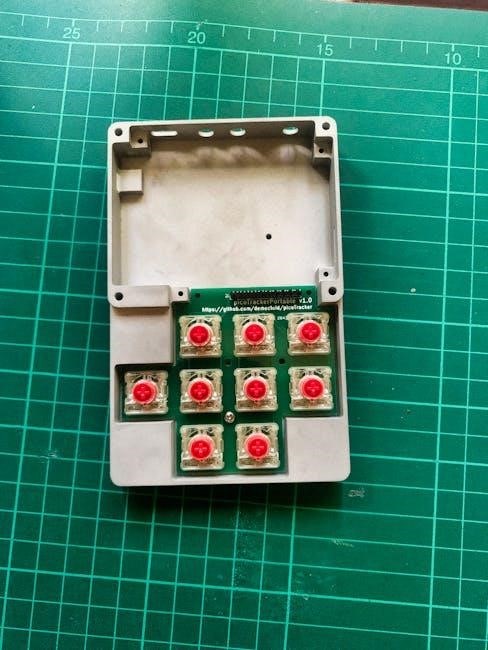
Integrating Manual IO with Adafruit IO and leveraging DevDocs’ documentation resources streamlines development, providing accessible APIs and organized information for efficient implementation.
Manual IO Integration with Adafruit IO
Adafruit IO serves as a robust cloud platform, and integrating Manual IO with it unlocks powerful capabilities for data logging, visualization, and remote control. Utilizing Adafruit IO’s HTTP and MQTT APIs allows Manual IO systems to seamlessly transmit sensor data and receive control commands.
This integration simplifies the process of building IoT applications, as Adafruit IO handles the complexities of data storage and presentation. Developers can leverage Adafruit IO’s dashboards to monitor real-time data streams from Manual IO devices, and create custom alerts based on predefined thresholds.
Furthermore, the readily available documentation – a fork of the Slate documentation project – provides clear guidance on utilizing Adafruit IO’s APIs, facilitating a smooth integration process. This combination empowers developers to rapidly prototype and deploy Manual IO-driven IoT solutions.
Manual IO and DevDocs: Documentation Resources
Navigating the complexities of Manual IO development is significantly streamlined with access to comprehensive documentation resources, and DevDocs stands out as a particularly valuable tool. DevDocs consolidates multiple developer documentations into a clean, organized web UI, offering instant search functionality and offline support – crucial for efficient troubleshooting and learning.
Its mobile version and dark theme enhance usability across various devices and preferences. Keyboard shortcuts further accelerate navigation, allowing developers to quickly locate relevant information. The platform’s ability to centralize documentation eliminates the need to sift through disparate sources.
Combined with the specific API documentation available for platforms like Adafruit IO (accessible through similar resources), DevDocs empowers developers to master Manual IO concepts and implement robust solutions effectively.
Future Trends in Manual IO Development
The landscape of Manual IO is poised for significant evolution, driven by the increasing demand for customized and highly responsive systems. We anticipate a surge in the integration of Manual IO with emerging technologies like edge computing, enabling real-time data processing and reduced latency. Expect advancements in security protocols, addressing growing concerns around data privacy and system integrity.
Furthermore, the development of more intuitive and user-friendly interfaces will lower the barrier to entry for developers; Enhanced debugging tools and automated testing frameworks will become standard, accelerating development cycles and improving system reliability.
The convergence of Manual IO with AI-powered analytics promises predictive maintenance and optimized performance, marking a new era of intelligent control systems.
Troubleshooting Common Manual IO Issues
Encountering difficulties with Manual IO systems is inevitable, but systematic troubleshooting can swiftly resolve most problems. Common issues include connectivity failures, often stemming from incorrect network configurations or API key errors. Data transmission errors can arise from formatting inconsistencies or protocol mismatches, requiring careful validation against documentation.
Debugging often involves examining system logs for error messages and utilizing network analysis tools to pinpoint communication bottlenecks. Security-related problems, such as unauthorized access, necessitate a review of authentication mechanisms and access controls.
Leveraging resources like DevDocs and Adafruit IO’s documentation can provide valuable insights into resolving specific issues. Remember to systematically isolate the problem and test individual components to identify the root cause.