Greater Trochanteric Pain Syndrome (GTPS) Exercises: A Comprehensive Guide
Navigating GTPS recovery demands a structured exercise approach, often detailed in downloadable guides (PDFs). These resources outline progressive routines,
from initial pain management to functional strengthening, aiding lasting relief and improved mobility.
Understanding Greater Trochanteric Pain Syndrome
Greater Trochanteric Pain Syndrome (GTPS), formerly known as trochanteric bursitis, isn’t inflammation of the bursa as previously thought, but rather gluteal tendinopathy. This means the pain originates from the tendons of the gluteus medius and minimus muscles around the greater trochanter – the bony prominence on the outside of your hip.
Understanding this is crucial, as treatment focuses on tendon rehabilitation rather than simply reducing inflammation. Many GTPS exercise PDFs emphasize this shift in approach. The syndrome affects individuals of all ages, but is more common in middle-aged women. It’s often a chronic condition, meaning it develops gradually over time, and can significantly impact daily activities like walking, climbing stairs, or even lying on the affected side.
Effective management, detailed in comprehensive guides, centers around restoring proper muscle function and biomechanics, reducing pain, and improving quality of life.
What Causes GTPS?
GTPS arises from a complex interplay of factors, not a single cause. Repetitive movements, like running or cycling, can strain the gluteal tendons. Weakness in the hip abductor muscles (gluteus medius and minimus) is a significant contributor, leading to altered biomechanics and increased stress on the tendons.
Poor posture, imbalances in muscle strength, and inadequate warm-up routines can also play a role. Structural abnormalities, such as leg length discrepancies or variations in hip anatomy, may predispose individuals to GTPS. GTPS exercise PDFs often highlight the importance of addressing these underlying factors.
Interestingly, it’s not always activity-related; even seemingly minor daily activities can exacerbate symptoms. Understanding these contributing factors is vital for developing a targeted rehabilitation program, as outlined in many downloadable resources.
Common Symptoms of GTPS
GTPS typically manifests as pain on the outer side of the hip, often radiating down the thigh. This discomfort can range from a dull ache to sharp, burning sensations. Pain is frequently aggravated by activities like walking, running, climbing stairs, or lying on the affected side.
Individuals may experience tenderness to the touch over the greater trochanter – the bony prominence on the outer hip. Stiffness in the hip joint is also common, particularly in the morning or after periods of inactivity. GTPS exercise PDFs frequently include symptom checklists to aid self-assessment.
Importantly, the pain isn’t usually felt inside the hip joint, differentiating it from osteoarthritis. Symptoms can fluctuate, with periods of increased pain followed by relative relief. Recognizing these patterns is crucial for managing the condition effectively.
Diagnosis and Assessment
Accurate GTPS diagnosis involves a thorough evaluation, often guided by resources like GTPS exercise PDFs that detail assessment criteria and help pinpoint the source of discomfort.
Physical Examination for GTPS
A comprehensive physical examination is crucial for diagnosing Greater Trochanteric Pain Syndrome (GTPS). Clinicians will assess your range of motion, specifically focusing on hip abduction and rotation. Palpation around the greater trochanter – the bony prominence on the outer hip – is key to identifying tenderness. Several specific tests are employed, including the Ober’s test to evaluate iliotibial (IT) band tightness and the Trendelenburg test to assess gluteal muscle weakness.
Understanding how exercises, detailed in GTPS exercise PDFs, correlate with examination findings is vital. For instance, pain exacerbated by resisted hip abduction suggests gluteus medius involvement, guiding exercise selection. The examination helps differentiate GTPS from other hip pathologies like osteoarthritis. A PDF guide can visually demonstrate these tests, empowering patients to understand the diagnostic process and the rationale behind their prescribed exercise program. Accurate assessment informs a tailored rehabilitation plan, maximizing effectiveness and minimizing frustration.
Imaging Techniques (X-ray, MRI)
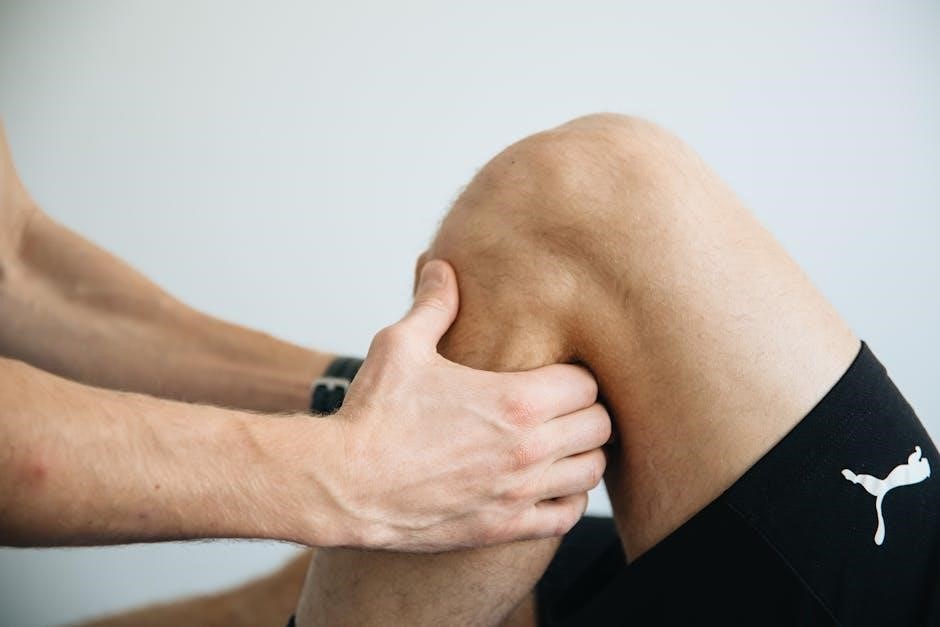
While a physical examination is often sufficient, imaging techniques like X-rays and MRIs can aid in diagnosing Greater Trochanteric Pain Syndrome (GTPS) and ruling out other conditions. X-rays primarily help exclude osteoarthritis or structural abnormalities within the hip joint. However, GTPS often doesn’t present with significant changes visible on X-ray.
MRI provides a more detailed view of soft tissues, potentially revealing bursitis, tendinopathy of the gluteal tendons, or IT band abnormalities. Importantly, imaging findings should correlate with clinical symptoms; a PDF guide detailing GTPS exercises won’t change if imaging is normal. These images help confirm the diagnosis and guide exercise prescription, ensuring the rehabilitation program targets the specific affected structures. A PDF resource can illustrate typical MRI findings in GTPS, enhancing patient understanding, but imaging isn’t always necessary before starting a conservative exercise program.
Exercise-Based Rehabilitation for GTPS
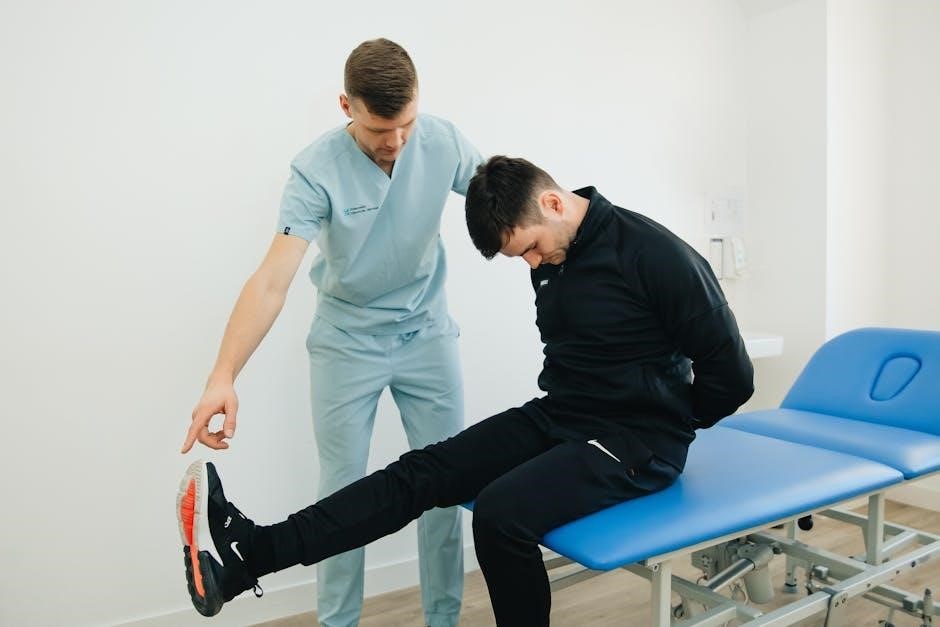
Rehabilitation centers on progressive exercises, often found in GTPS exercise PDFs. These programs focus on pain reduction, strengthening, and restoring functional movement patterns.
Phase 1: Acute Pain Management Exercises
Initial management, detailed in many GTPS exercise PDFs, prioritizes reducing inflammation and pain. Gentle range of motion exercises, like ankle pumps and gentle hip rotations, maintain joint mobility without exacerbating symptoms. These movements should be pain-free and performed slowly, focusing on controlled motions.
Isometric exercises are crucial; these involve contracting muscles without joint movement. For GTPS, isometric hip abductor contractions (squeezing a pillow between the knees) help activate key muscles without stressing the greater trochanter. Hold each contraction for 5-10 seconds, repeating 10-15 times.
PDF guides often emphasize avoiding activities that aggravate pain during this phase. Ice application for 15-20 minutes several times a day can further reduce inflammation. The goal is to establish a baseline of comfort before progressing to strengthening exercises, as outlined in subsequent phases of the rehabilitation program.
Gentle Range of Motion Exercises
GTPS exercise PDFs consistently highlight the importance of early, pain-free movement. Gentle range of motion (ROM) exercises aim to maintain joint flexibility and prevent stiffness without irritating the greater trochanter. Ankle pumps – pointing and flexing the feet – improve circulation and prepare the leg for more complex movements.
Hip rotations, performed lying down with knees bent, gently mobilize the hip joint. Keep the movements small and controlled, stopping immediately if pain arises. Knee bends, within a comfortable range, also contribute to overall mobility.
These exercises should be performed slowly and deliberately, focusing on quality over quantity. PDF guides often recommend 10-15 repetitions of each exercise, several times a day. The emphasis is on maintaining a pain-free arc of motion, gradually increasing the range as tolerated. Avoid any forceful stretching or movements that reproduce the lateral hip pain.
Isometric Exercises for Hip Abductors
GTPS exercise PDFs frequently incorporate isometric exercises as a foundational step in rehabilitation. These involve contracting the hip abductor muscles (gluteus medius and minimus) without actually moving the hip joint. This minimizes stress on the painful greater trochanter while initiating muscle activation.
A common isometric exercise involves lying on your side with your affected leg on top. Gently press the top leg outwards against resistance – a pillow or your hand – holding for 5-10 seconds. Focus on feeling the muscle engage without any hip movement.
PDF guides typically recommend 10-15 repetitions, performed several times daily. Maintaining proper form is crucial; avoid arching the back or lifting the shoulder. Isometric exercises are excellent for rebuilding strength in the early stages of recovery, preparing the muscles for more dynamic movements later on, and are often pain-free.
Phase 2: Strengthening Exercises
Progressing beyond acute pain management, GTPS exercise PDFs detail Phase 2: strengthening. This phase focuses on rebuilding hip abductor and gluteal muscle strength, crucial for stabilizing the pelvis and reducing stress on the greater trochanter. These exercises are typically introduced once pain has subsided and range of motion has improved.
PDF guides emphasize a gradual increase in resistance and intensity. Initial exercises often include side-lying hip abduction with or without ankle weights. Clamshells, performed with a resistance band around the knees, are also common.
Strengthening the gluteus maximus is equally important. Bridges and single-leg bridges are frequently prescribed. PDFs will often include detailed illustrations and progression guidelines, ensuring proper form and minimizing the risk of re-injury. Consistency is key to achieving lasting results.
Hip Abduction Strengthening
GTPS exercise PDFs consistently prioritize hip abduction strengthening, targeting the gluteus medius – a key stabilizer. Side-lying hip abduction is a foundational exercise, often starting without resistance and progressing with ankle weights as strength improves. Proper form is emphasized: maintaining a neutral spine and avoiding compensatory movements.
Clamshells, utilizing a resistance band around the knees, are another staple. PDFs detail variations, including those with increased band resistance or holding the clamshell position for extended durations. These exercises focus on isolating the gluteus medius.
Standing hip abduction exercises, using a resistance band looped around the ankles, are introduced as strength increases. PDFs provide clear instructions on controlled movements and avoiding hip hiking. The goal is to restore balanced hip mechanics and reduce stress on the greater trochanter.
Gluteal Strengthening Exercises (Gluteus Medius & Maximus)
GTPS exercise PDFs highlight the crucial role of both gluteus medius and maximus in hip stability. Beyond abduction, strengthening the gluteus maximus is vital for overall hip function. Bridges are frequently included, starting with bodyweight and progressing to weighted variations – a dumbbell or resistance band placed across the hips.
Single-leg bridges further challenge stability and engage the gluteal muscles more intensely. PDFs often demonstrate proper form, emphasizing core engagement and avoiding lower back arching. Lunges, both forward and lateral, are also common, with modifications for varying fitness levels.
Hip thrusts, utilizing a bench for support, provide a powerful gluteal strengthening stimulus. Detailed PDFs illustrate correct setup and execution, ensuring optimal muscle activation and minimizing risk of injury. These exercises collectively aim to restore balanced hip mechanics and alleviate GTPS symptoms.
Phase 3: Functional Exercises & Proprioception
GTPS exercise PDFs emphasize a return to activity-specific movements in Phase 3. This stage focuses on integrating strength and stability gains into real-world tasks. Lateral step-ups onto a low platform are frequently prescribed, mimicking everyday movements like stair climbing, and improving hip control during single-leg stance.
Proprioceptive exercises are key, enhancing the body’s awareness of its position in space. PDF guides often include wobble board or balance pad activities, challenging balance and activating stabilizing muscles. Walking lunges with a slight rotation also improve dynamic stability.
Agility drills, such as cone drills or shuttle runs, gradually reintroduce more complex movements. Detailed PDFs provide progressions, ensuring a safe and effective return to desired activities, minimizing the risk of re-injury and promoting long-term function.
Single Leg Stance Exercises
GTPS exercise PDFs consistently highlight single leg stance exercises as crucial for rebuilding stability. Initially, these are performed with support – holding onto a chair or wall – focusing on maintaining a neutral pelvis and avoiding hip hiking. PDFs detail progressions, increasing the duration of the hold from 10 to 30 seconds, and repeating 3-5 times per leg.
Adding perturbations – gentle pushes from a therapist or partner – challenges balance further, enhancing proprioception. Many PDFs suggest incorporating arm movements while balancing, increasing the difficulty and simulating functional activities. Progressing to uneven surfaces, like a foam pad, adds another layer of challenge.
Focus is placed on maintaining proper form throughout, preventing compensatory movements. Detailed PDF instructions emphasize engaging the core and gluteal muscles to control pelvic stability during the exercise, vital for long-term GTPS management.
Lateral Walking with Resistance Band
GTPS exercise PDFs frequently include lateral walking with a resistance band, targeting the hip abductors. A light to medium resistance band is placed around the ankles or just above the knees. PDF guides instruct maintaining a slight bend in the knees and keeping the back straight while stepping sideways.
The exercise focuses on controlled movements, avoiding crossing the feet over each other. Many PDFs recommend starting with 10-15 steps in one direction, then repeating in the opposite direction, completing 3-5 sets. Progressions detailed in PDFs involve using a heavier resistance band or increasing the number of steps.
Emphasis is placed on feeling the engagement of the gluteus medius during the exercise. Detailed PDF illustrations demonstrate proper form, highlighting the importance of maintaining pelvic stability and preventing hip hiking. This exercise is key for restoring hip abductor strength and function.
Additional Therapies & Considerations
GTPS exercise PDFs often acknowledge complementary therapies like shockwave therapy. Combining exercises with these treatments, and considering individual factors, optimizes recovery outcomes significantly.
Extracorporeal Shockwave Therapy (ESWT) for GTPS
ESWT emerges as a valuable adjunct to exercise programs, frequently referenced within comprehensive GTPS PDFs. This non-invasive therapy utilizes acoustic waves to stimulate healing in the affected tendons around the greater trochanter. Many downloadable guides detail how ESWT can reduce pain and improve function when integrated with targeted exercises.
The process involves delivering controlled shockwaves to the painful area, promoting blood flow and tissue regeneration. PDF resources often emphasize that ESWT isn’t a standalone solution; it’s most effective when combined with a tailored exercise regimen. These guides clarify that ESWT aims to address chronic inflammation and pain that may hinder exercise progress.
Patients considering ESWT should consult with a healthcare professional to determine suitability and understand potential side effects, as outlined in detailed PDF information. Successful outcomes often depend on proper patient selection and a consistent commitment to the prescribed exercise plan alongside ESWT sessions.
Importance of Stretching for GTPS
Stretching forms a cornerstone of GTPS rehabilitation, prominently featured in most GTPS exercise PDFs. These guides highlight how regular stretching improves flexibility, reduces muscle tension, and alleviates pain around the greater trochanter. Targeted stretches address common contributing factors like tightness in the iliotibial (IT) band and hip flexors.
PDF resources emphasize the importance of gentle, consistent stretching, avoiding forceful movements that could exacerbate pain. They often include detailed illustrations and step-by-step instructions for performing stretches correctly. Maintaining flexibility in these areas supports proper hip mechanics and reduces stress on the affected tendons.
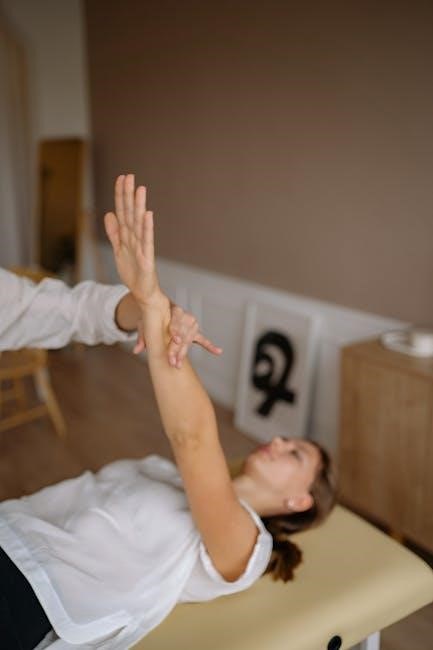
Integrating stretching into a daily routine, as detailed in downloadable PDFs, is crucial for long-term management of GTPS. These guides often recommend performing stretches before and after exercise to prepare the muscles and promote recovery, ultimately enhancing functional movement.

IT Band Stretching
GTPS exercise PDFs consistently feature IT band stretches, recognizing its frequent role in the syndrome. A common technique involves standing with the affected leg crossed behind the other, then leaning to the side until a stretch is felt along the outer thigh. Variations include using a foam roller for self-myofascial release, detailed in visual guides.
These PDFs emphasize controlled movements and avoiding overstretching, as aggressive stretching can worsen symptoms. They often recommend holding each stretch for 20-30 seconds, repeating several times. Proper form is crucial; guides illustrate correct body positioning to maximize effectiveness and minimize risk.
Consistent IT band stretching, as prescribed in these resources, aims to reduce tension and improve flexibility, alleviating pressure on the greater trochanter. PDFs often integrate this stretch within a broader routine, alongside hip flexor and gluteal stretches, for comprehensive care.
Hip Flexor Stretching
Greater trochanteric pain syndrome exercise PDFs frequently highlight the importance of hip flexor flexibility. Tight hip flexors can contribute to altered biomechanics, exacerbating GTPS. A common stretch detailed in these guides is the kneeling hip flexor stretch, where you kneel on one leg and gently lean forward, feeling the stretch in the front of the hip.
PDFs emphasize maintaining a neutral spine and avoiding arching the lower back during the stretch to prevent further discomfort. They often include modifications for varying flexibility levels, offering progressions and regressions. Visual aids demonstrate proper form, ensuring safe and effective execution.
Regular hip flexor stretching, as outlined in these resources, aims to restore optimal hip movement and reduce strain on the greater trochanter. These PDFs often recommend combining hip flexor stretches with other exercises for a holistic approach to GTPS management.
When to Seek Medical Intervention
While GTPS exercise PDFs offer valuable self-management tools, recognizing when professional help is needed is crucial. If pain persists or worsens despite consistent adherence to the outlined exercise program, consult a healthcare professional. PDFs often include disclaimers emphasizing they aren’t substitutes for medical advice.
Sudden increases in pain, inability to bear weight, or signs of inflammation (redness, swelling, warmth) warrant immediate medical attention. These PDFs frequently advise seeking evaluation if conservative measures fail after several weeks.
A physician can accurately diagnose the cause of your hip pain and rule out other conditions. They may recommend further imaging or consider alternative treatments like corticosteroid injections or, rarely, surgery. These PDFs stress the importance of personalized care and professional guidance for optimal outcomes.